< Back to the full list

Clinical biochemistry

Principles of lipids and lipid disorders

No items found.

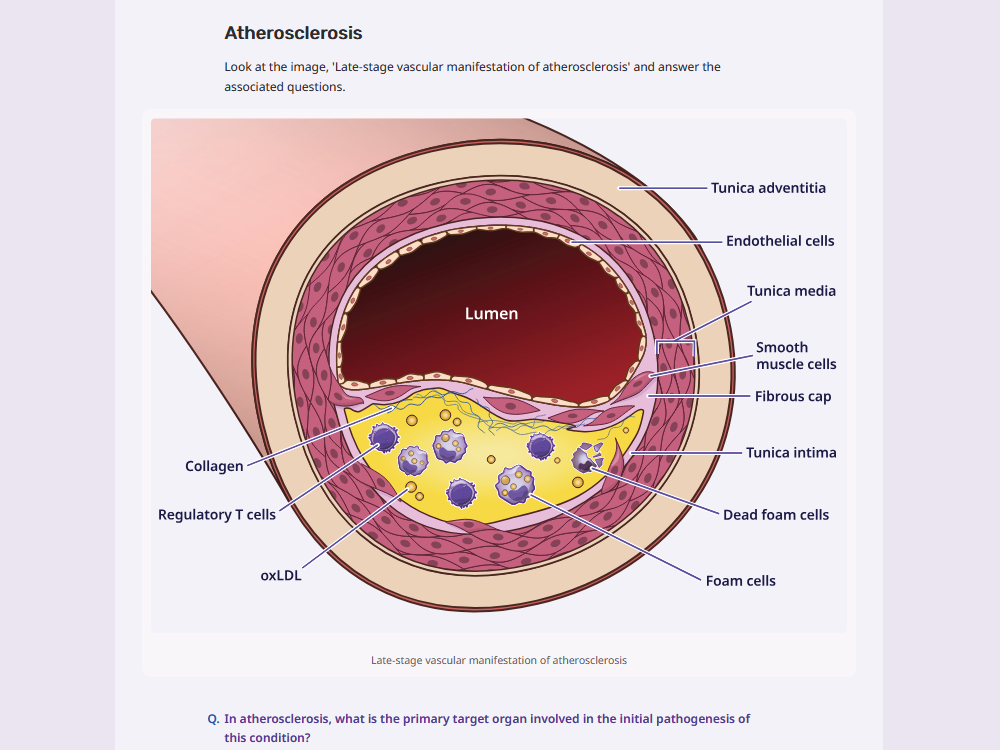
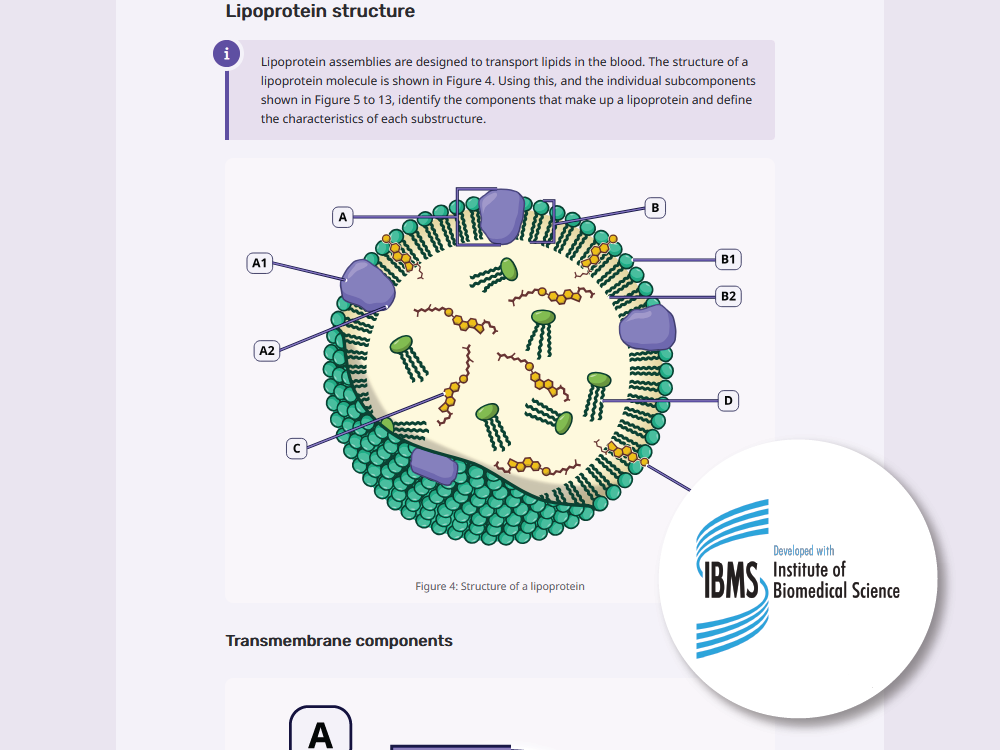
Explore the principles of lipid biochemistry and the role they play in the pathophysiology of human disease. Navigate the various biomarkers and standard criteria for assessing lipid dysfunction and cardiovascular disease and apply these to a clinical scenario.

Learning outcomes

  • Demonstrate an understanding of the principles behind lipid classification and differentiate between structures.
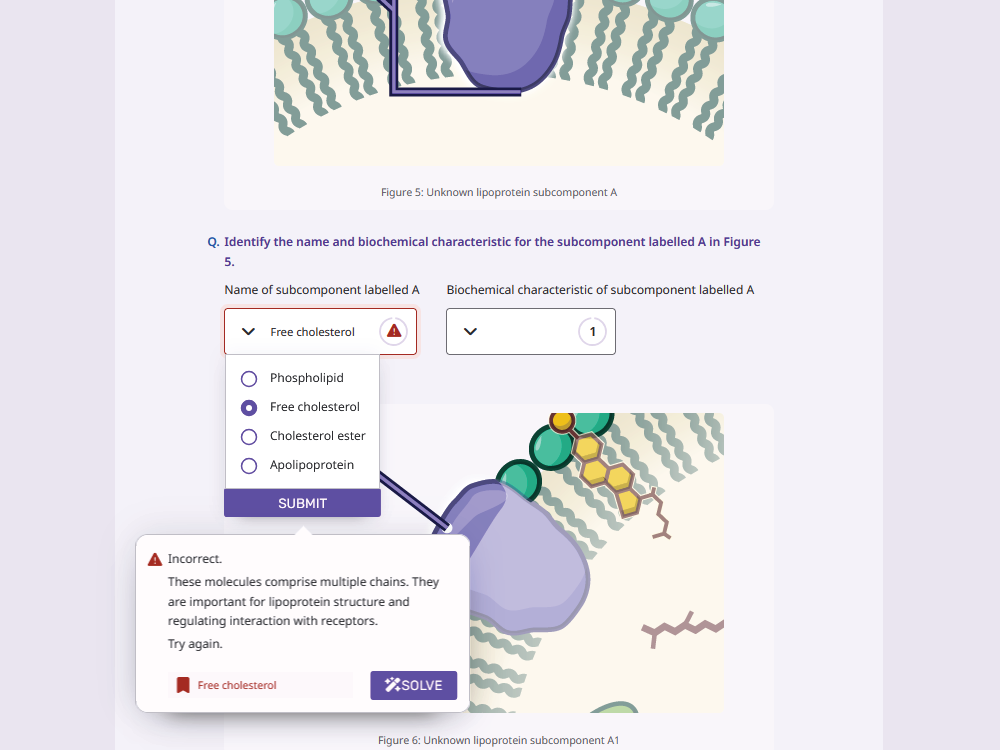
  • Assess lipid and cholesterol storage and movement to determine how lipoprotein structure relates to function.
  • Evaluate the pathogenic principles of lipid disease and interpret how mutations can lead to dysfunction.
  • Assess essential clinical diagnostic tests and how they are utilised in a clinical laboratory.
  • Analyse and interpret clinical biomarker data with a patient history to propose an appropriate diagnosis and treatment.
No items found.
chevron_left
chevron_right

Skills

Manipulating and Presenting Data

  • Estimate the concentration of low-density lipoprotein (LDL) using the Friedewald equation

Interpreting and Analysing Data

  • Identify different types of omega fatty acids
  • Propose the impact of a PCSK9 mutation on plasma low-density lipoprotein (LDL)
  • Interpret patient data to formulate a clinical diagnosis

Concepts, Principles and Theories

  • Recall the various features of lipids, lipid and cardiovascular disorders, their molecular and pathophysiology, and how they are assessed and diagnosed
  • Recall and define various lipid and cardiovascular biomarkers and the causes of various cardiovascular events

Learn more about our approach to skills
Sheri Scott, Principal Lecturer and Biomedical Science Subject Lead, Nottingham Trent University and IBMS Council Member

“Students learn most effectively when they can see a clear link between academic concepts and real-world biomedical science practice. Clinically contextualised activities, authentic laboratory data and realistic case scenarios help bridge the gap between theory and practice by allowing students to apply their knowledge in situations that mirror professional decision-making. This approach not only improves engagement but also helps develop the analytical and interpretive skills required in the workplace.”
Details

Subject areas

Biomedical science

Discipline

Clinical biomedical science

Topic

Clinical biochemistry

Purchase option

The Smart Worksheet Library

Related products

No items found.

What are LabSims?

Our virtual lab simulations enhance student learning by building confidence in practical skills.
  • Enhance student skills and accelerate learning with multiple opportunities to practise
  • Boost confidence and competency with enhanced support and personalised feedback
  • Engage and motivate with enjoyable, challenging learning experiences
LabSim product page

What are Smart Worksheets?

Online, autograded assessment tool for advanced data analysis and calculation practice
  • Improve the student experience of assessment with immediate, targeted feedback
  • Save academic time by minimising repetitive marking for staff
  • Gain immediate insight into student progress with individual performance data
Smart Worksheets product page

Integrate with your LMS

Our products integrate with all major learning platforms, including Canvas, Blackboard, Moodle, Sakai and Brightspace or without any LMS using our LearnSci Direct Platform.
Learn more about LearnSci Direct.
No items found.
No items found.

See how our resources can enhance your student experiences

  • Try our resources for free
  • Get a live demonstration of our products
  • Become a partner and join our community
  • Talk to our team of experts
Request a demo
Image of a smiling student with a microscope